Project’s start!
The BRAVE project gets its funding and can official start

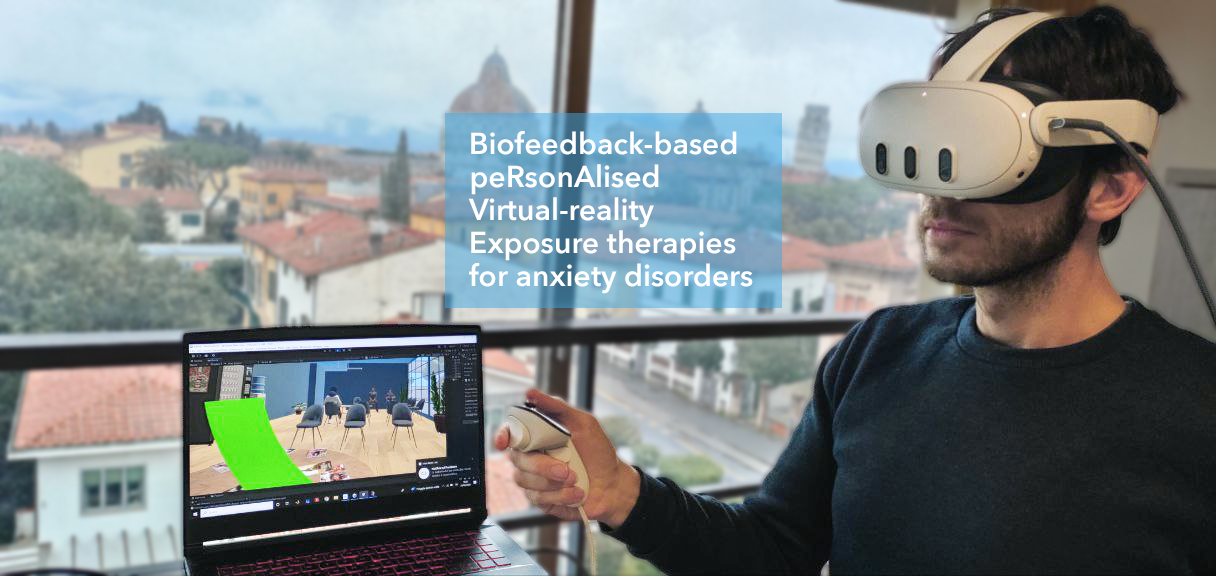
Meta Quest 3 VR headset
The visual report of anxiety in the virtual scenario
To give a continuous report of social anxiety
100 volunteers so far
Yep, you are right: this is Pisa’s Leaning Tower!
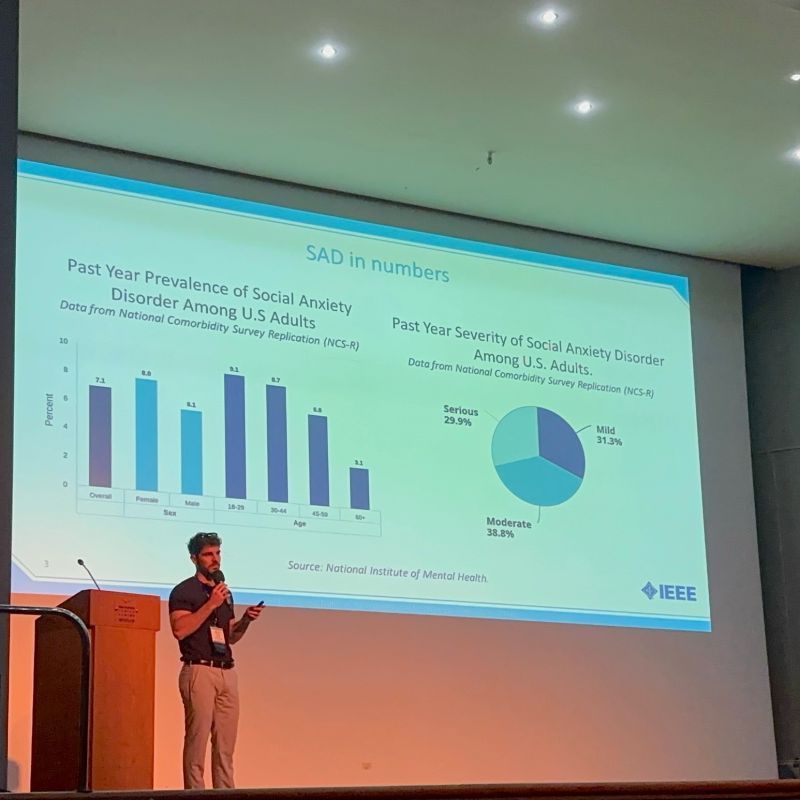
A mental disorder whose raising is worrying the whole world: according to the U.S. General Surgeon, Social Anxiety represents the “new epidemic” following exacerbated by the social restrictions made necessary to contain COVID and by the abuse of socials & smartphones
Treatments based on the exposure to the feared situations, representing the gold standard for many anxiety disorders (including Social Anxiety Disorder). They have a high efficacy, but are not accepted by most of patients (in particular the most severe ones, who would benefit them the most)
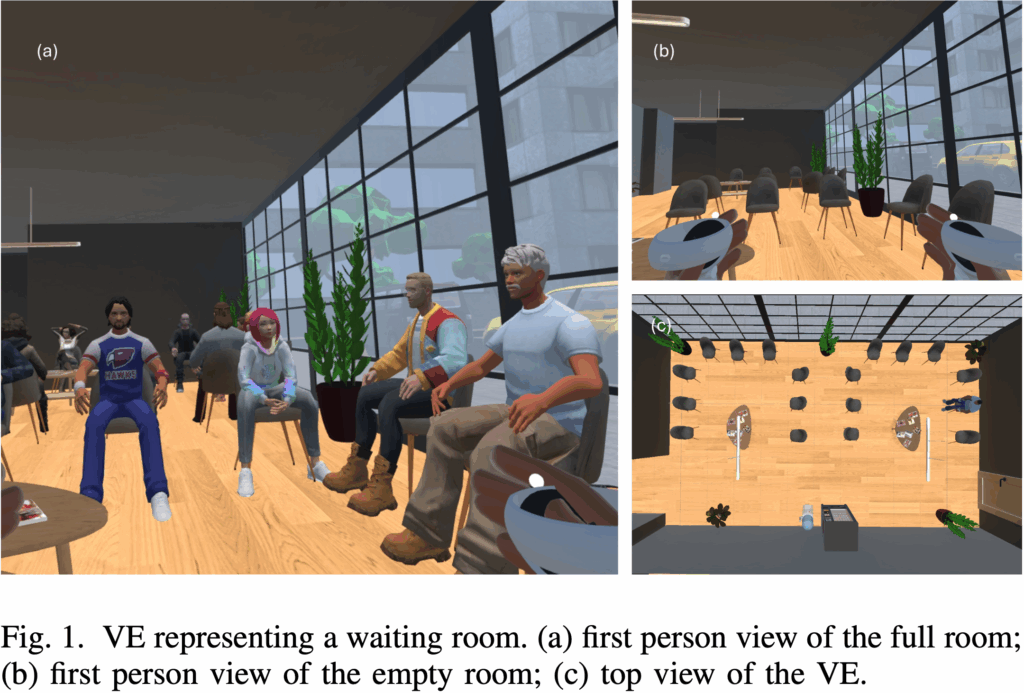
It is a virtual reality that changes accordingly with the biofeedback-based estimation of the anxiety felt by who is immersed in it, to adjust its emotional intensity and maintain it in an optimal range maximizing both efficacy and tolerability.
Our commitment to the principles of open science results in the free availability of all data we collected and of all the tools needed to replicate the whole study. Feel free to take what you need, and contact us for any request of clarification: we will be glad to answer as soon and exhaustively as possible!
Let us introduce ourselves
We are a multidisciplinary team made by informatics (building the virtual scenario), bioengineers (analyzing the data), and psychologists (interpreting the results).
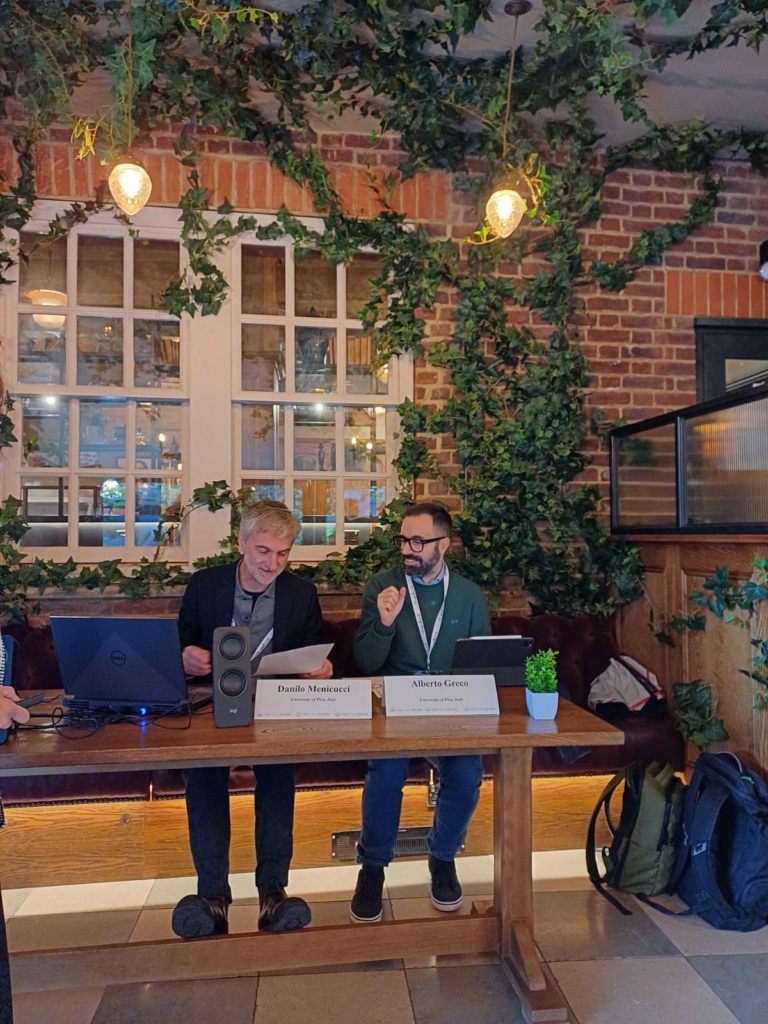
We are affiliated to the University of Pisa (Psychology and Biomedical Engineering) and to the University of Genova (Informatics), but we disseminated our results at international conferences in Milan (MetroXRAINE 2023), London (MetroXRAINE 2024), and Crete (MeMeA 2025).
How we want to make science
Science should be open, freely accessible to everyone, and made to improve everyone’s life. That’s why all our research products are being shared on open repositories such as GitHub and Open Science Framework!
We do not want to leave our precious work to rot in some researcher’s PC, but rather we aim at spreading it to the world: our greater satisfaction will be to see that the tools we developed are being used somewhere else by other enthusiast researchers and clinicians.
* this person has a formal role in the BRAVE project. Other team members have been involved through roles specified in the related scientific paper(s)

Biomedical Engineer and principal investigator of the BRAVE project. His expertise is on the analysis of psychophysiological signals

Based on her background in bioengineering and informatics, she coordinates the development of virtual scenarios to induce social anxiety
Associate Professor in Neuropsychology and cognitive neuroscience at the University of Pisa, he coordinates the psychological component of the project
With a PhD in Psychophysiology, he won the post-doc position funded by BRAVE‘s budget to organize and co-conduct the project’s experiments

He is gaining his PhD in Informatics working also on the BRAVE project‘s virtual scenarios and helping in the data collection, organizing experimental sessions in Genova’s University

After completing his PhD in Psychophysiology, Enrico joined the BRAVE team supporting the design and implementation of experimental protocols.
With a background in Artificial Intelligence and Data Engineering, he is involved in the design and development of the AI models used on signals coming from the experiments.

Biomedical engineer and postDoc researcher. His expertises include biomedical signal processing, with a focus on the peripheral autonomic correlates involved in the BRAVE project

Psychologist in training graduated in Clinical and Health Psychology at the University of Pisa. For her thesis project she contributed to the recruitment of BRAVE’s study participants and the co-conduction of the experiments.
She holds a Master’s degree in Psychology and conducted experimental sessions as part of the BRAVE project, which was the focus of her thesis work
Research Budget
involved so far in the experiments
of project’s duration
Professors, post-docs, PhD, students
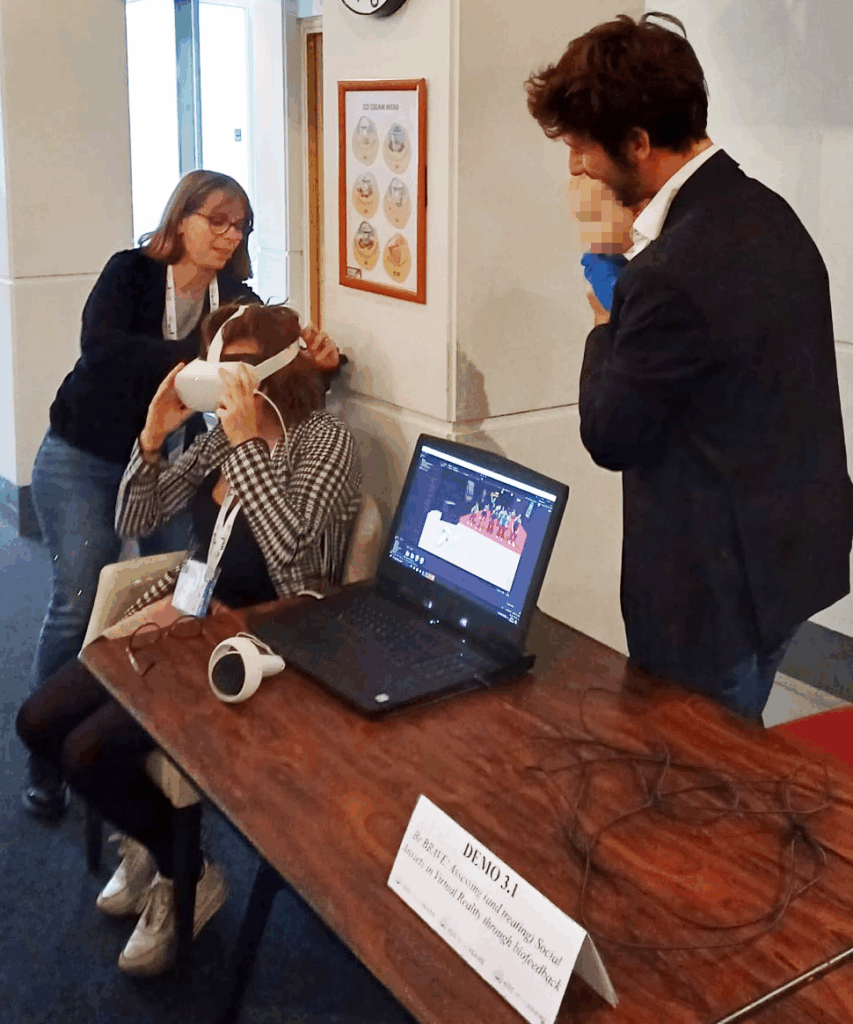
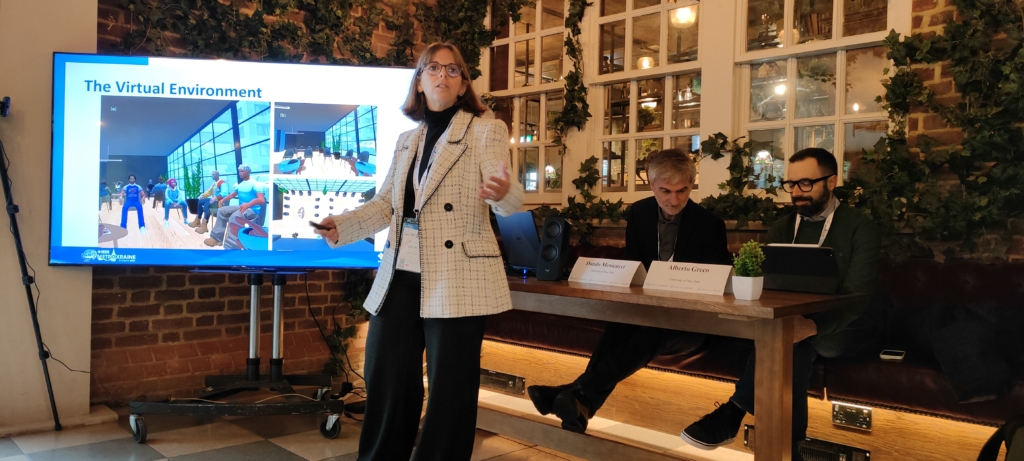


Martini, Viola, Bossi, Frumento, Iannizzotto, Said, Callara, Solari, Scilingo, Greco, Menicucci, Chessa

Pardini, Frumento, Martini, Rho, Vatteroni, Tharun, Alaimo, Galatolo, De Marinis, Scilingo, Menicucci, Cimino, Chessa, Greco
Social Anxiety Disorder (SAD) is a mental disorder characterized by excessive fear and avoidance of social situations. Traditional assessment methods rely on retrospective self-reports, which may not fully capture moment-to-moment variations in perceived anxiety. To address this, we designed a novel virtual reality (VR) scenario to simulate a real-life social situation, specifically a waiting room that gradually fills with virtual characters.
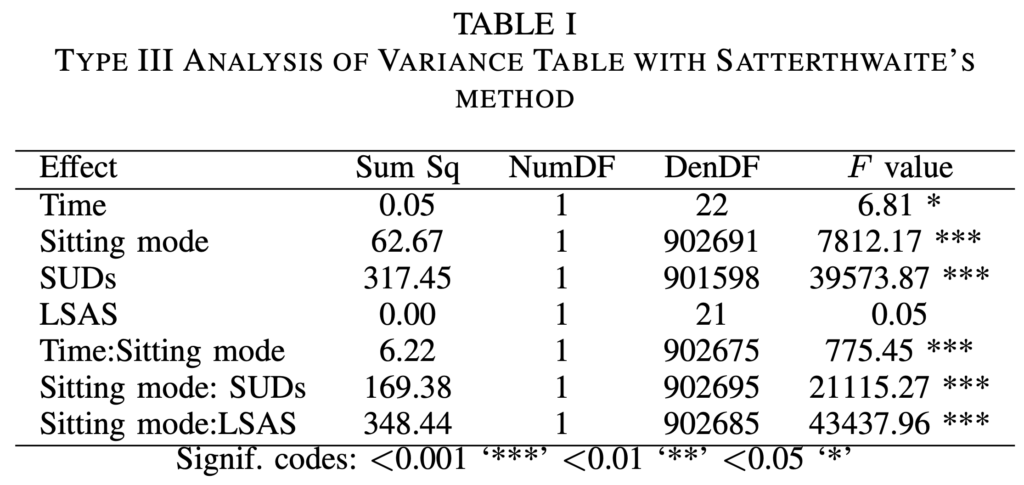
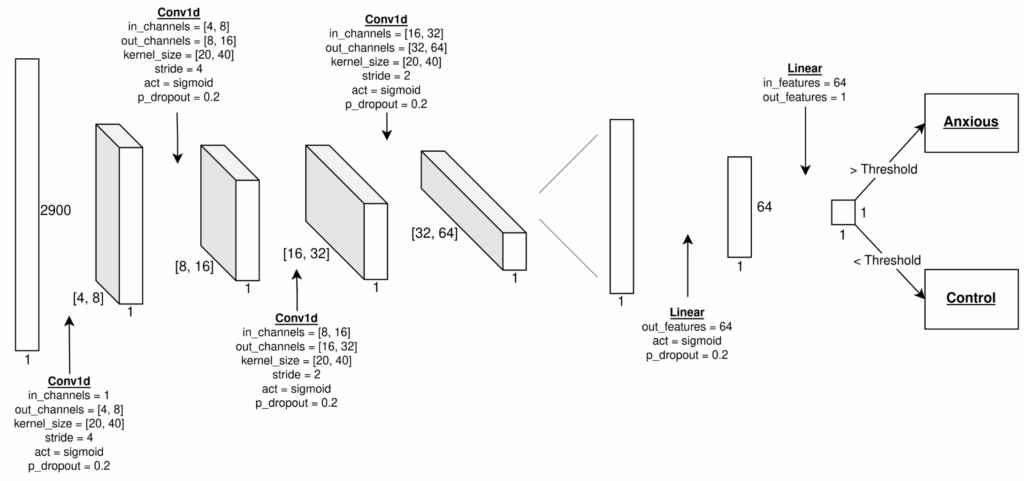
A continuous measure of self-reported anxiety was collected via joystick throughout the VR experience, allowing for real-time monitoring of subjective social anxiety. A one-dimensional convolutional neural network (1D-CNN) was trained to classify individuals with SAD based on their reported anxiety trajectories. The model was evaluated using a Leave-One-Subject-Out (LOSO) cross-validation strategy, achieving an F1-score of 0.82, recall of 0.89, and precision of 0.77, demonstrating strong classification performance.
These findings suggest that self-reported anxiety alone is a viable signal for distinguishing individuals with SAD, paving the way for more accessible, sensor-free assessment tools in virtual environments. Future work will explore advanced feature extraction from the anxiety signal, integrate physiological markers, and investigate adaptive VR scenarios that dynamically respond to user-reported distress.
We will reply as soon as possible
Feel free to reach us for any need – whenever you want to (freely!) use the tools we developed, or you want us to share with you our data, or you want to interview us